
Visual Silence: The Art of Negative Space
Why emptiness is not nothingness. Exploring how negative space shapes perception and elevates visual storytelling in modern design.
In a world screaming for attention, silence is a rebellion.
Visual silence, or negative space, is often misunderstood as “empty” space. But in design and photography, it is not the absence of content—it is the canvas upon which content breathes. It is the pause between notes that makes the music.
The Weight of Nothingness
When we strip away the non-essential, we are left with the core truth of a subject. This is the essence of minimalism. It’s not about having less; it’s about making room for what matters.
“Perfection is achieved, not when there is nothing more to add, but when there is nothing left to take away.” — Antoine de Saint-Exupéry
In my recent projects, I’ve been experimenting with extreme negative space. By pushing the subject to the far edge of the frame, or reducing a UI to its barest typography, we force the viewer to engage. The eye searches, and when it finds the subject, the connection is stronger, more intimate.
The Digital Noise
Our digital interfaces are often cluttered. Notifications, sidebars, pop-ups. We are terrified of white space because we equate it with wasted real estate. But luxury is space. Think of an art gallery or a high-end retail store. They are defined by their spaciousness.
Applying this to web design means:
- Generous Margins: Let the text breathe.
- Micro-Interactions: Subtle movements instead of flashy banners.
- Typography as Image: Let the letterforms themselves be the visual interest.
Capturing Silence
In photography, capturing silence means looking for the geometry of shadows. It means waiting for the moment when the chaos of the street settles into a singular composition.
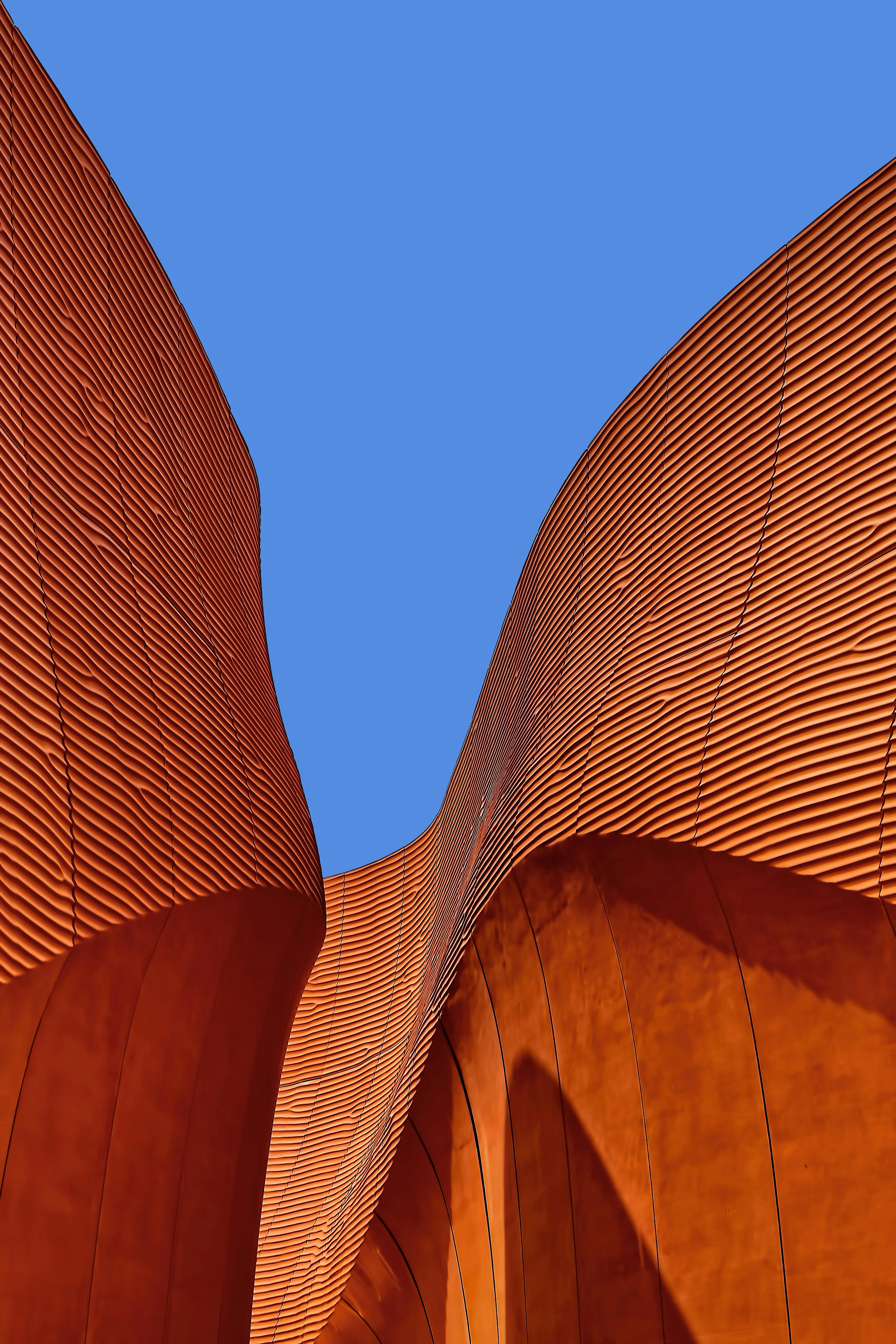
The image above isn’t just about the building; it’s about the sky. The blue void shapes the white concrete. Without the sky, the building has no context, no form.
Conclusion
As we move forward in this digital age, I believe the most impactful designs will be those that offer a sanctuary of calm. Visual silence is not just an aesthetic choice; it is a necessary respite for the human eye and mind.
Let us design not just for attention, but for peace.